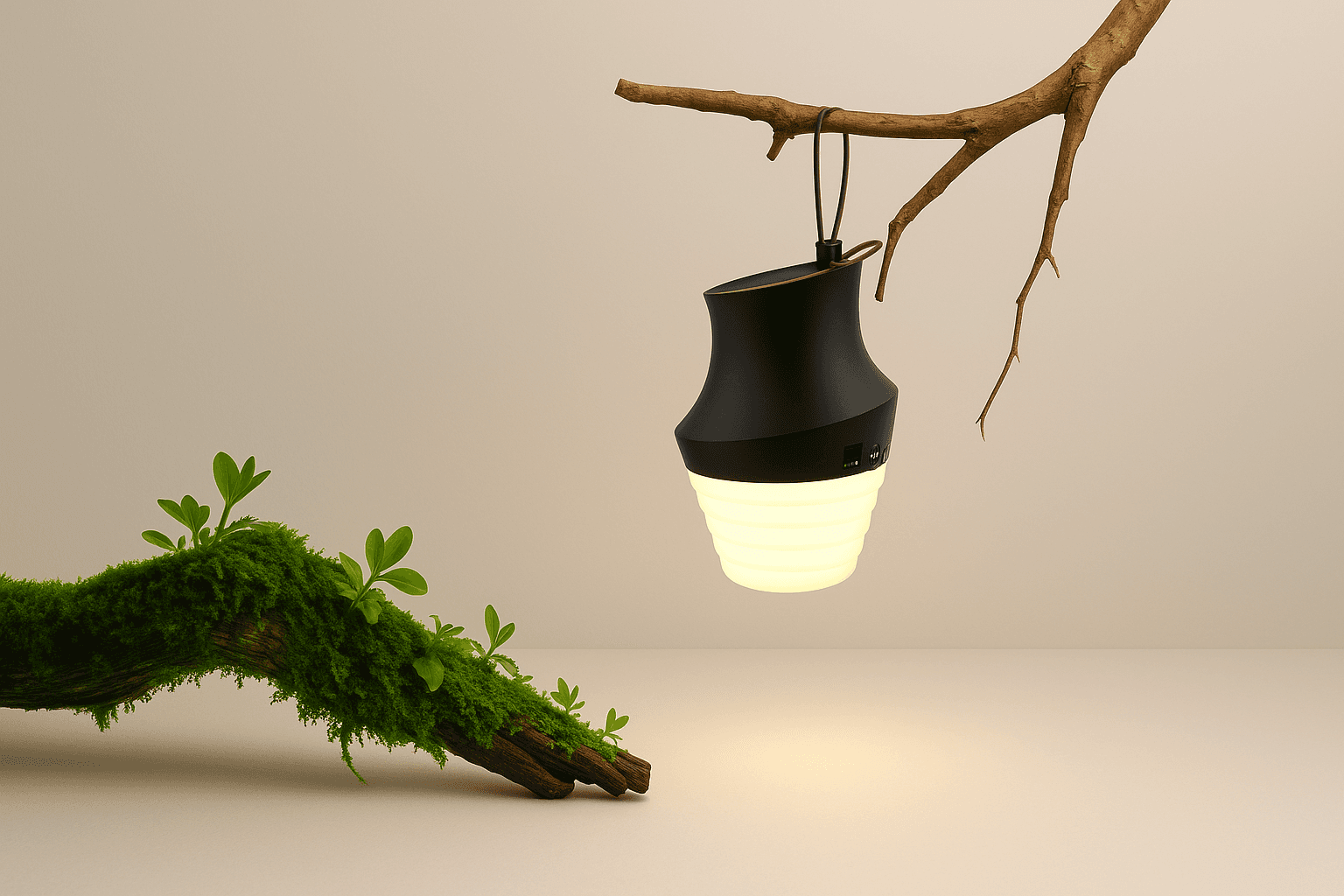
Nocturne, a portable camping lantern
Product Design | User Research | Form Studies
Nocturne
Design Timeline
Bats
This visual timeline outlines the core stages of the design process: Discovery, Define, and Design. The Discovery phase involves research and identifying the problem. The Define phase focuses on understanding the user and the product category. Finally, the Design phase involves concept development, sketching, and refining the design through iterations.
Discover
Choosing An Element
Research
Define
Studying Dominant Features
Identifying Motifs and Forms
Choosing a product category
Defining the target user
User Persona
Design
Mood board
Ideations and Conceptualization
Finalizing the concept
Concept Sketch
Renders
User Flow
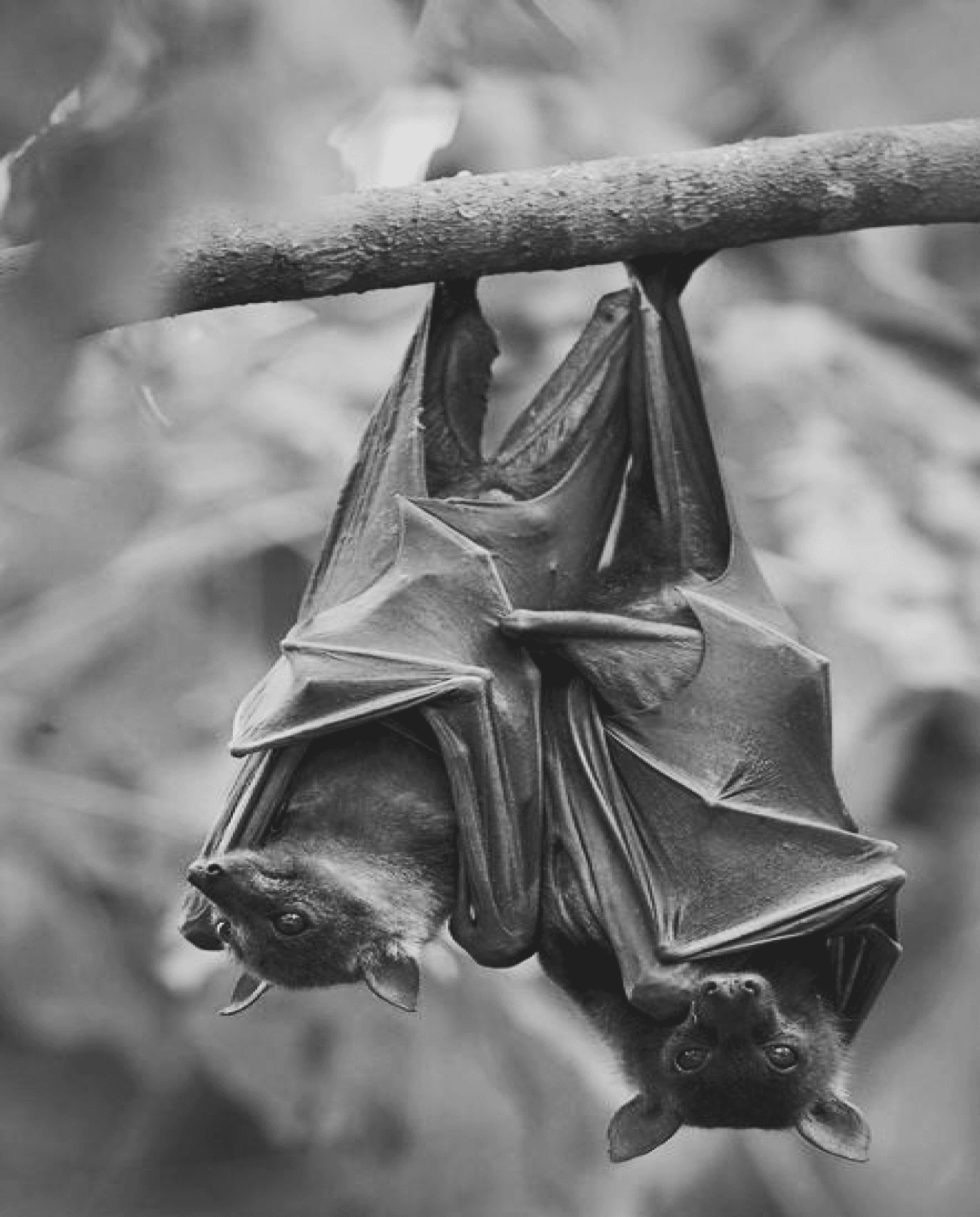
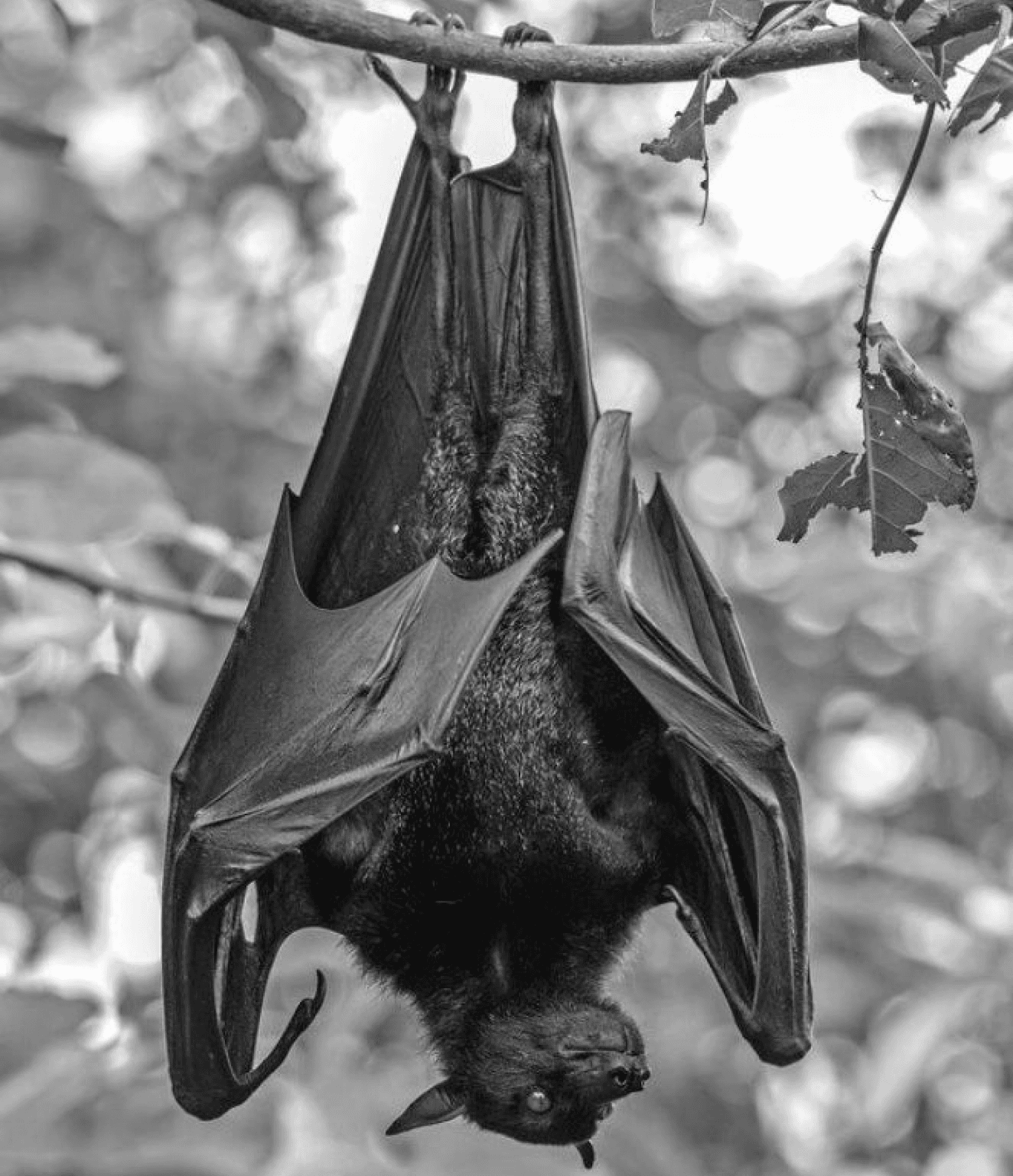
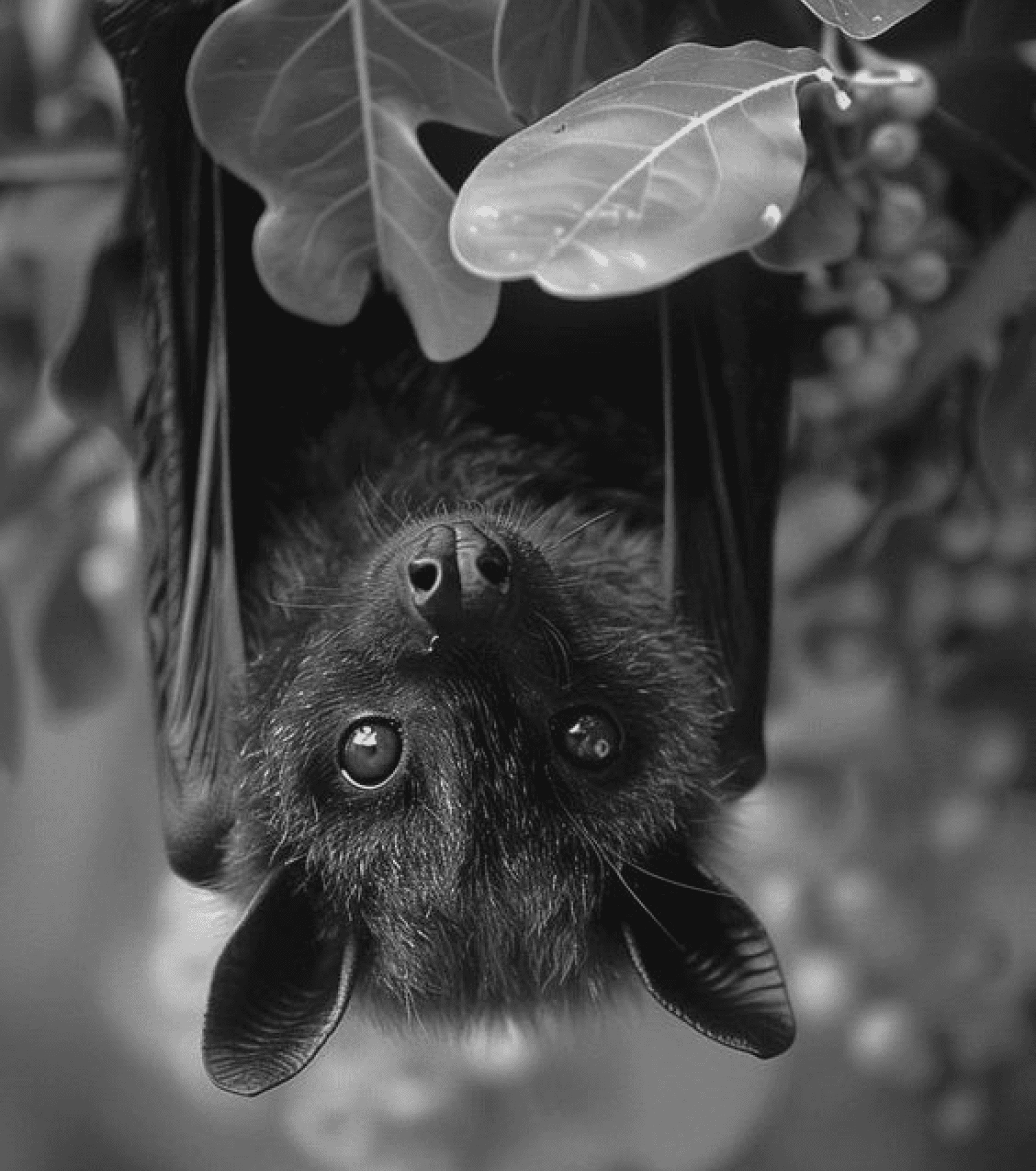
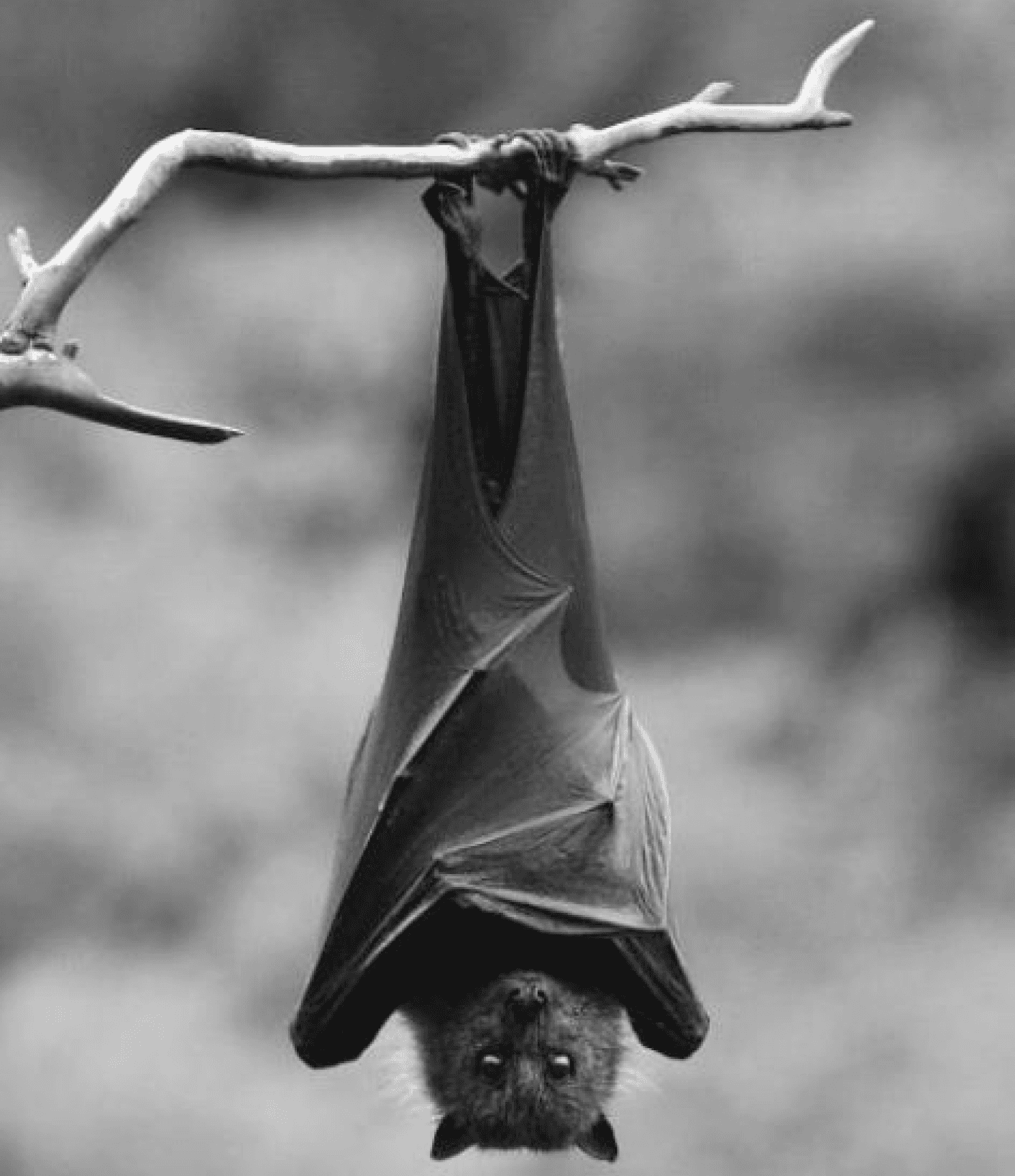
Analyzing Dominant Features and Seeking Inspiration
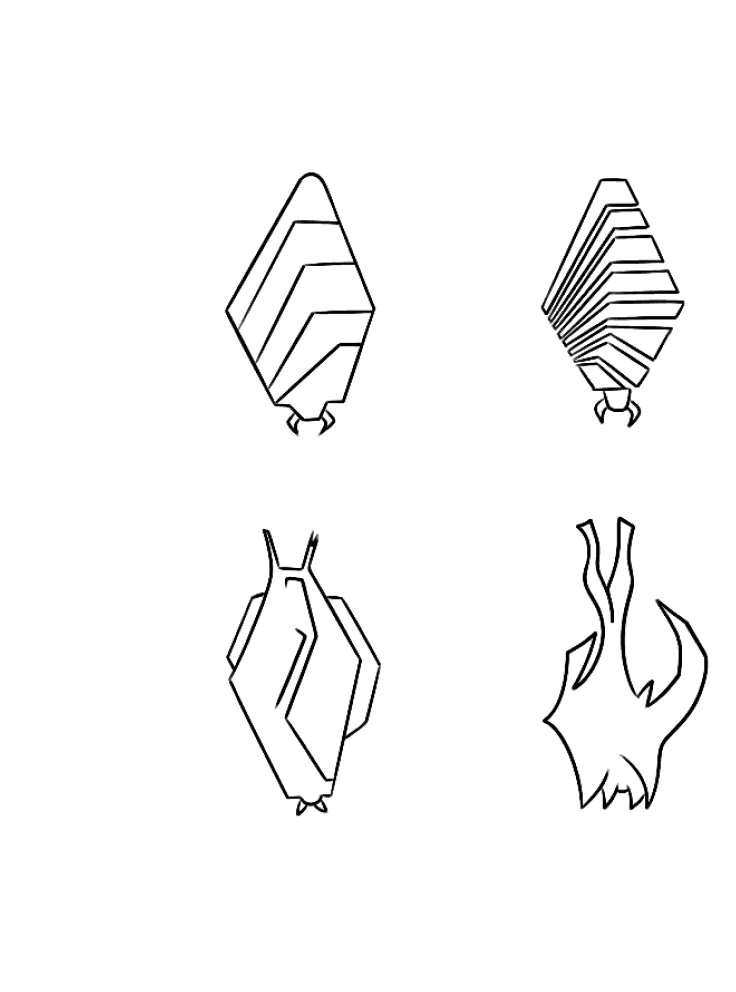
Analyzing the dominant forms of bats to derive design motifs for product inspiration.
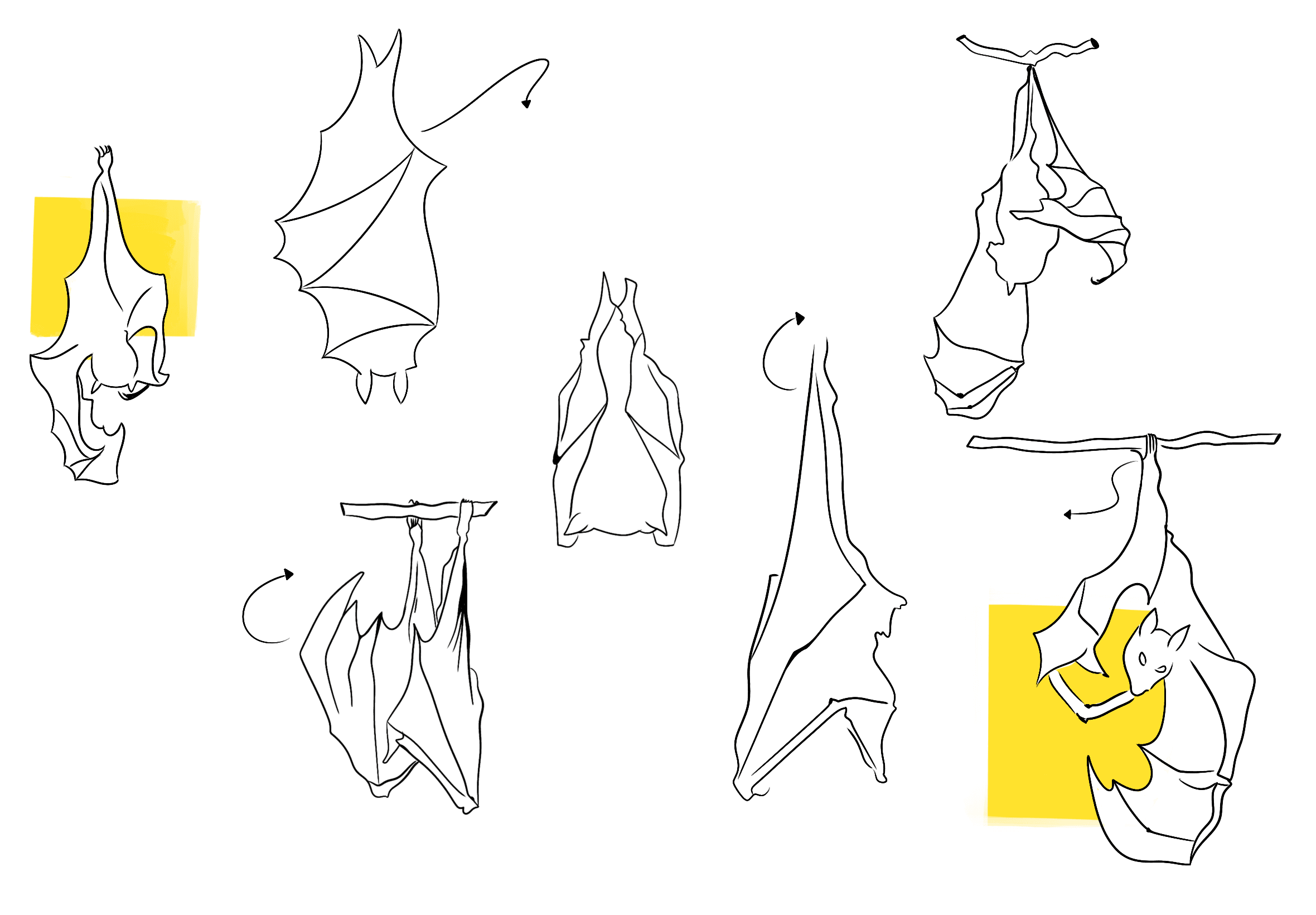
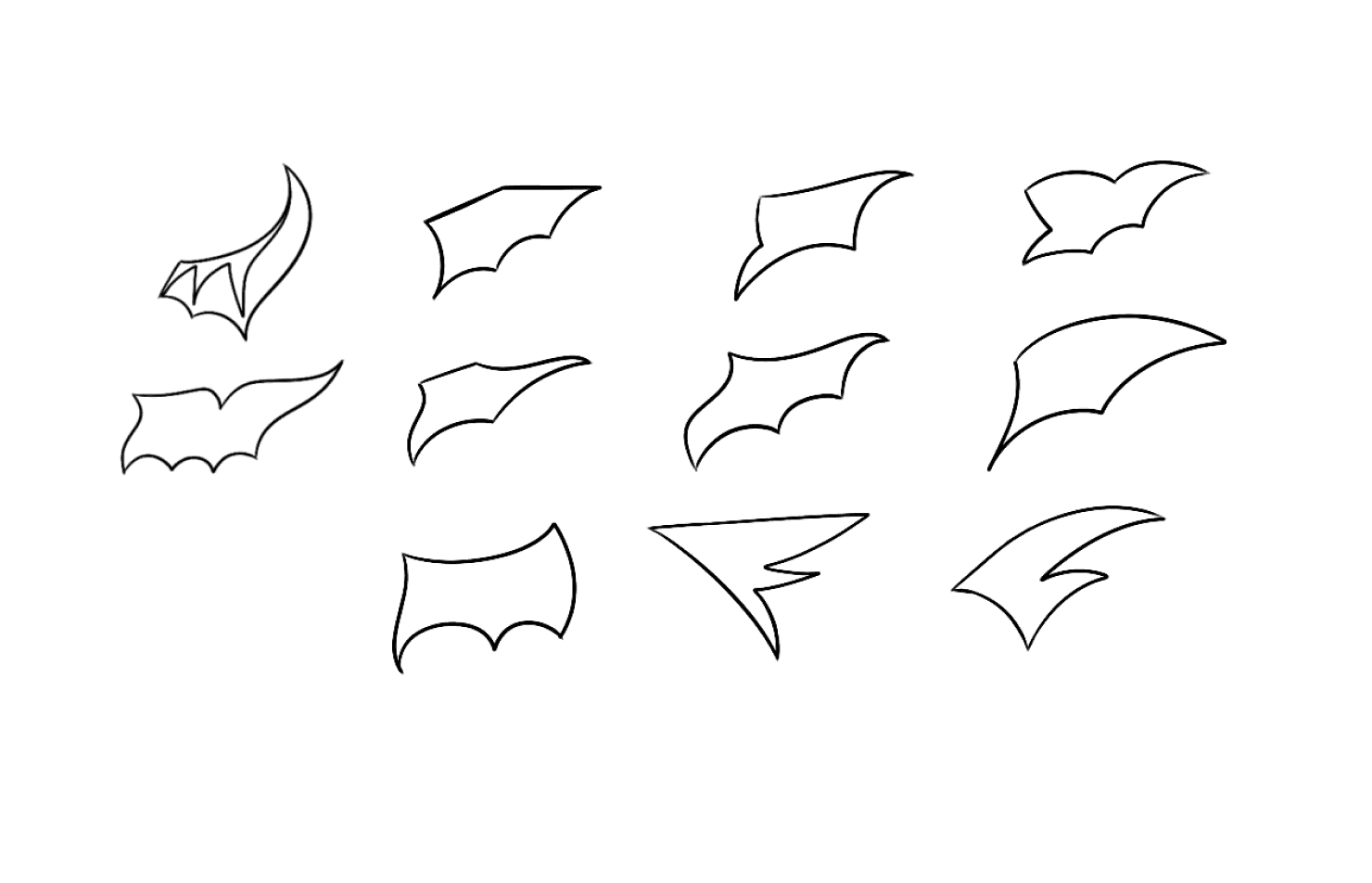
Deriving Motifs
HANGING UPSIDE DOWN
ELONGATED V SHAPE
POINTY
CURVY WINGSPAN
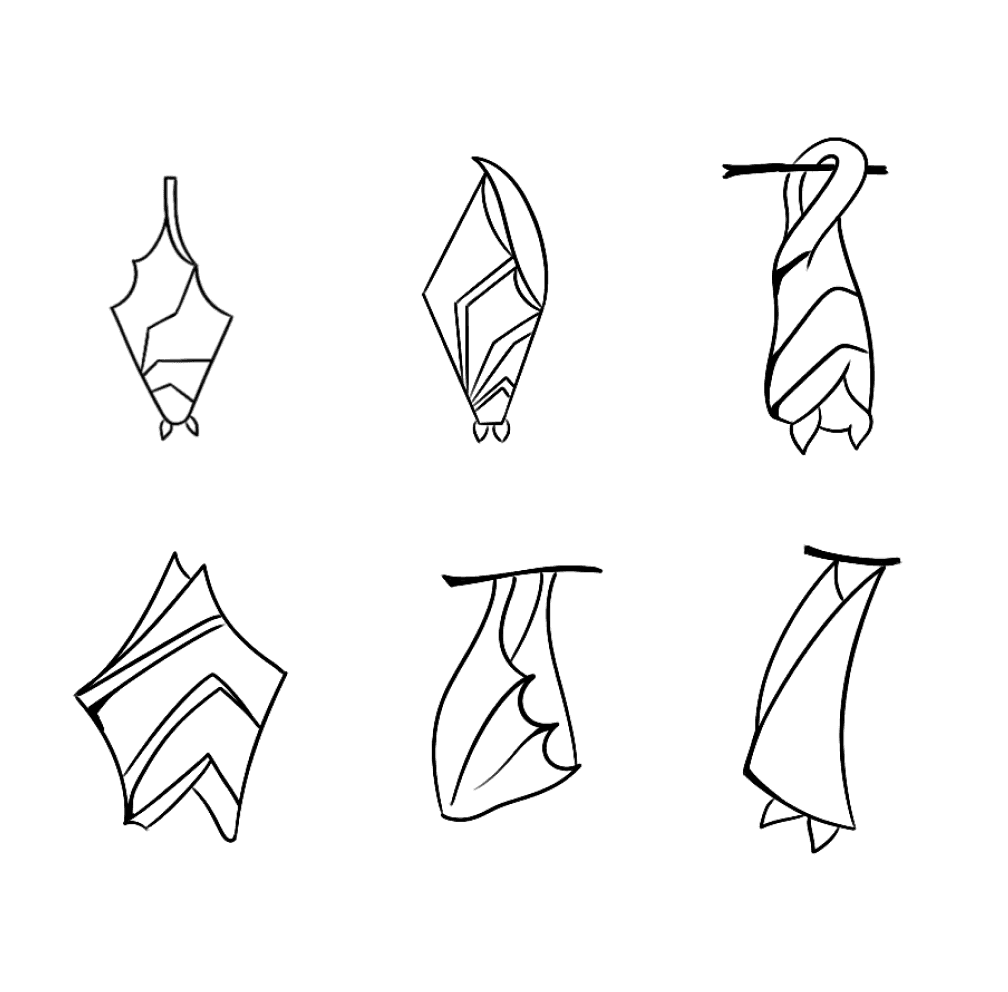
Camping Lantern
By studying the bat's unique anatomy and behavior, a dominant motif was identified. This motif, inspired by the bat's sleeping position and its nocturnal habits, led to the idea of creating of a camping lantern.
Product Category Chosen
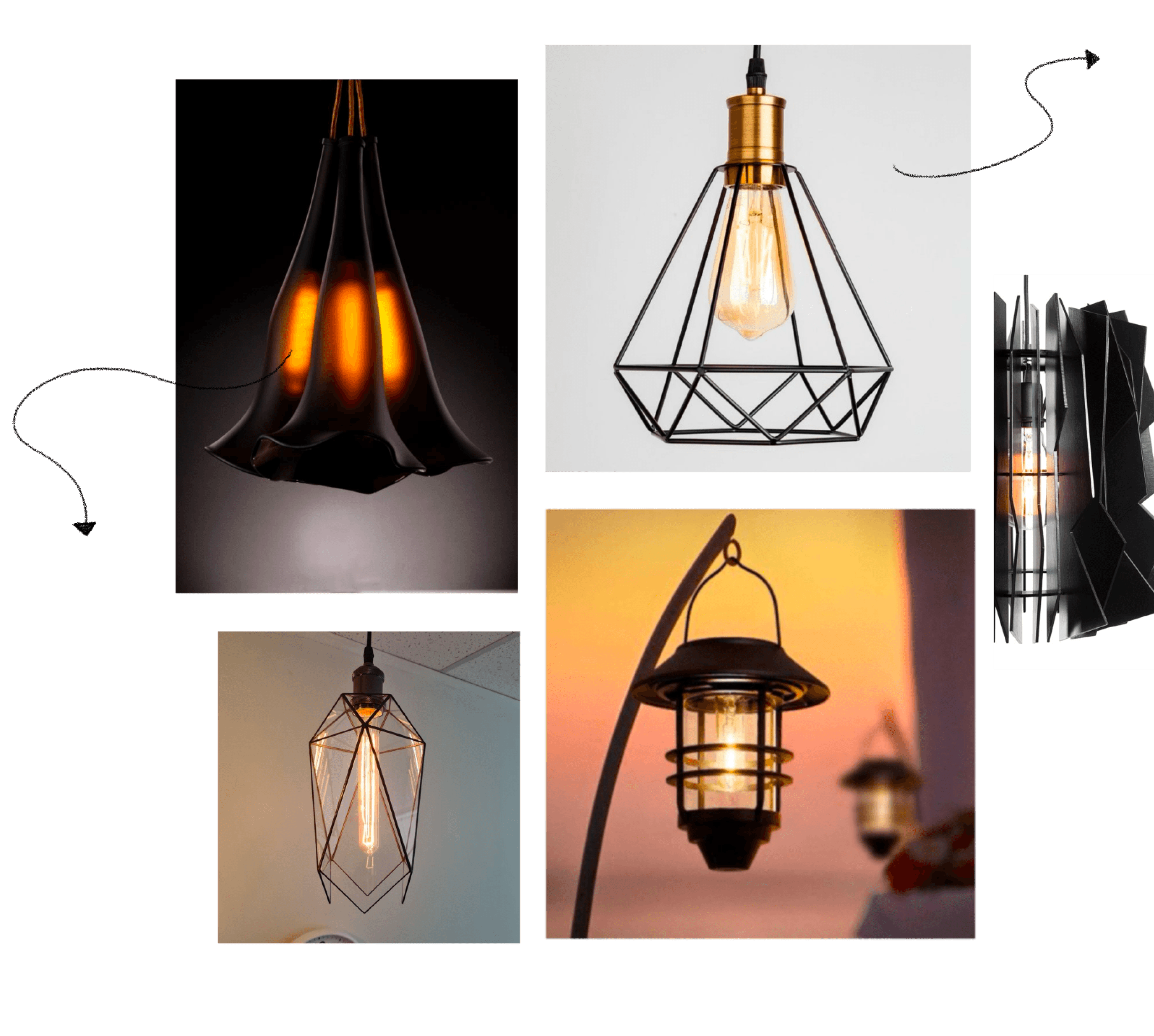
Upside down
Lightweight
Hanging
Aerodynamic
Nocturnal
Slender
Triangular
Folded
Bats' ability to hang upside down can make up versatile mounting options for the lantern.
Bats are well-adapted to operate in darkness, which aligns perfectly with the primary function of a camping lantern.
Defining the user
User Persona
The target audience for this versatile camping lantern includes outdoor enthusiasts, campers, hikers, and travelers who prioritize both functionality and portability in their gear. This product is ideal for those seeking a reliable light source.
Arnav Patel
Engineer, 22 years old, Lives in Bangalore
A young, adventurous professional passionate about nature, technology, and sustainability.
Goals and Needs:
Adventure: To experience new places and challenge himself with outdoor activities.
Relaxation: To escape the hustle and bustle of city life and unwind in nature.
Functionality: To have reliable equipment that can withstand outdoor conditions and provide essential features.
Pain Points and Frustrations:
Bulky and Heavy Equipment: Carrying heavy backpacks and cumbersome gear can be tiring and inconvenient.
Limited Light Output: Traditional lanterns may not provide enough brightness in low-light conditions.
Battery Concerns: Worrying about battery life, especially during extended camping trips.

Final Ideation
Inspired by the bat's unique upside-down sleeping posture and its energy-efficient lifestyle, this project explores biomimicry to create a functional and visually striking product. The lantern's design, reminiscent of the bat's distinctive form, allows for versatile hanging and efficient light distribution.
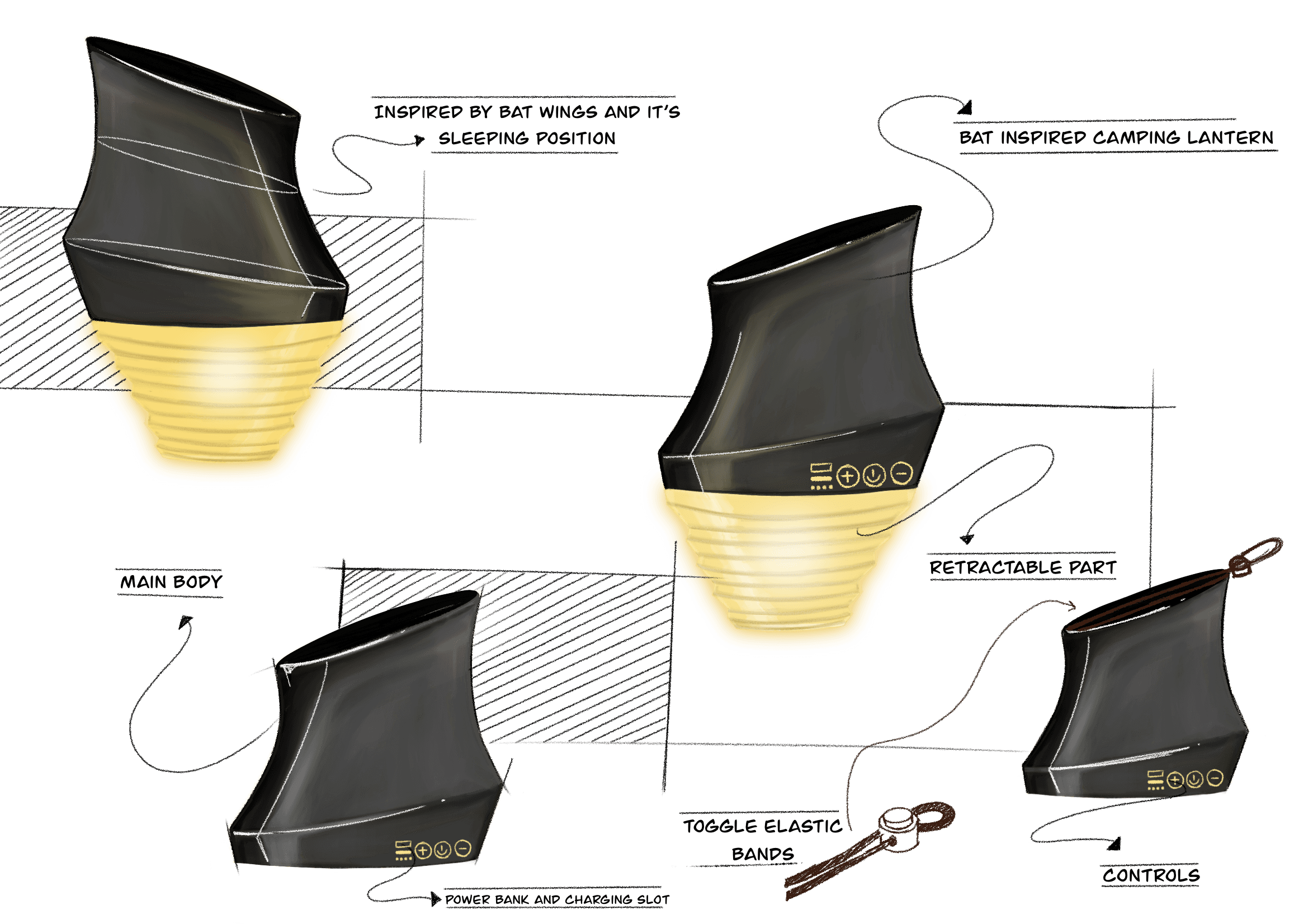
Render
Contact